Mount Fulgora
April 26, 2026
3041m
Lillooet Icefield, BC
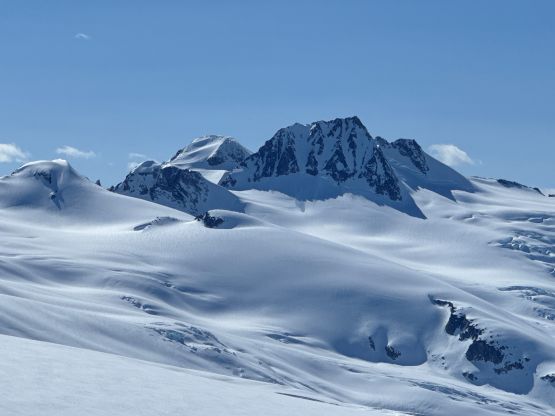
Mt. Fulgora is one of the taller peaks on Lillooet Icefield and also the highest peak tagged in this 4-day heli-assisted traverse. This peak only boasts 600 m prominence as it’s relatively linked towards Monmouth Mtn., the “ultra prominent peak” in the region and also one of the principle summits in B.C.’s Coast Range. To add Mt. Fulgora into the itinerary we would have to make a long detour from the intended traverse, which wouldn’t be much of a deal for the skiers but could easily eat majority of a day for the three of us on snowshoes. This wasn’t in the plan when I originally looked into the area, but after reading Thomas M.’s trip report from June 2025 I changed my mind. We were originally thinking to hike out from “White Cross Mountain” which would be pushy for the 4-day itinerary but definitely doable, but then I thought maybe we should add Mt. Fulgora and fly out.
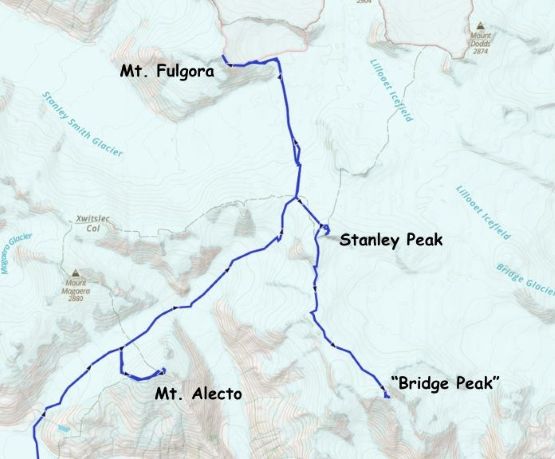
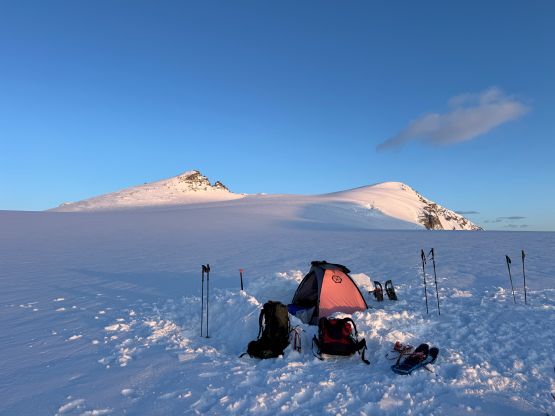
This was the 3rd day of the trip and we woke up at the camp underneath Mt. Alecto on Ring Glacier. The morning wasn’t too windy but we still waited for the sun rays to hit us before getting up. The first business was to descend another 150 m elevation down onto Necwtinoaz Glacier which had one steep and crevassed area on the satellite images. Thankfully that section was well filled in. Alex and I opted for a head start but Francis (on skis) caught up and passed us at the low point. Seb was plodding way behind but he would eventually catch up on the uphill section given his superb aerobic fitness. From the low point at 1900 m elevation we would have 750 m grunt onto Stanley Smith Glacier on the west shoulder of Stanley Peak. This would be the hardest push in the entire trip with the heavy packs. For some reasons we all felt reasonably strong and managed to knock this grunt off in more or less a single shot. For the middle part of this glacier we decided to ascend straight up and through the icefalls to shorten the overall distance. The navigation got more complicated than I thought but the snow condition was thankfully bomber.
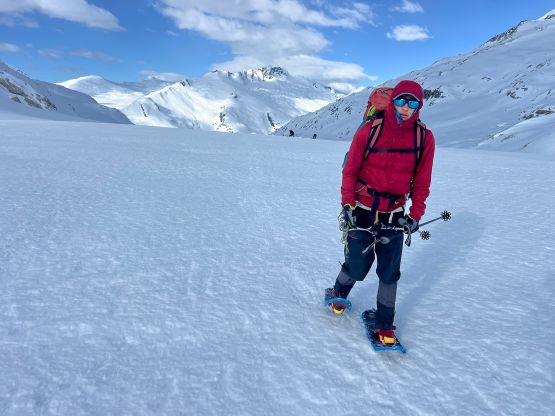
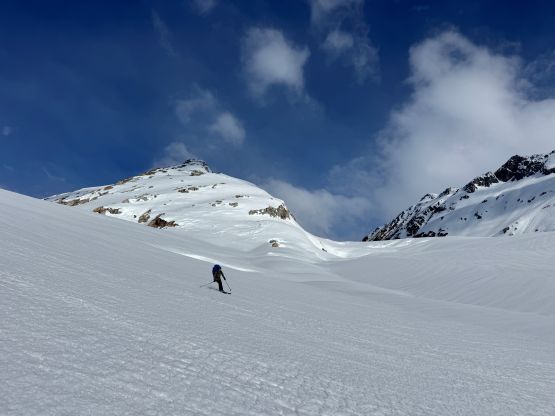
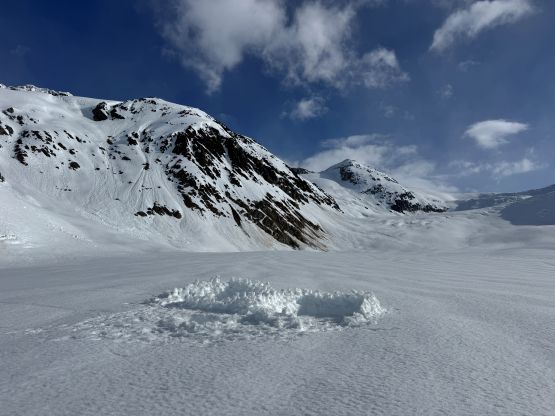
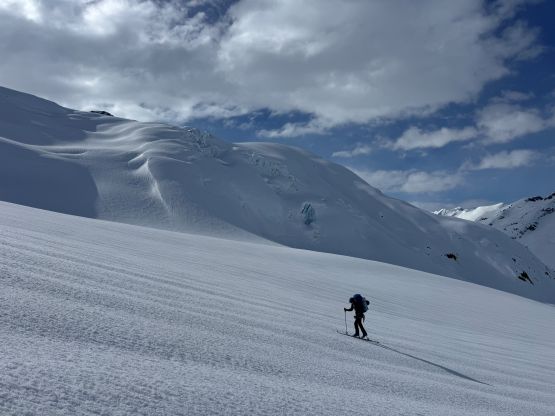
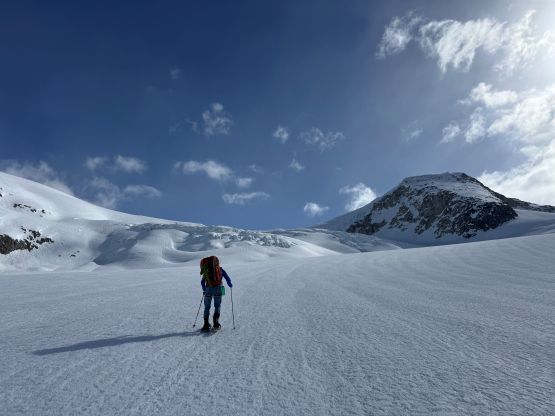
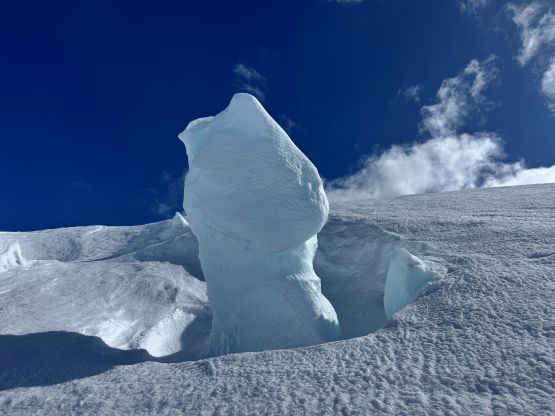
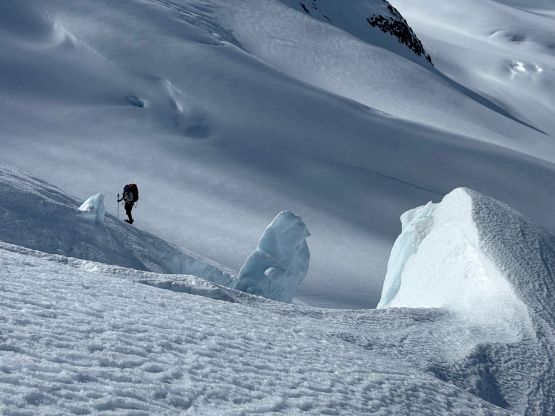
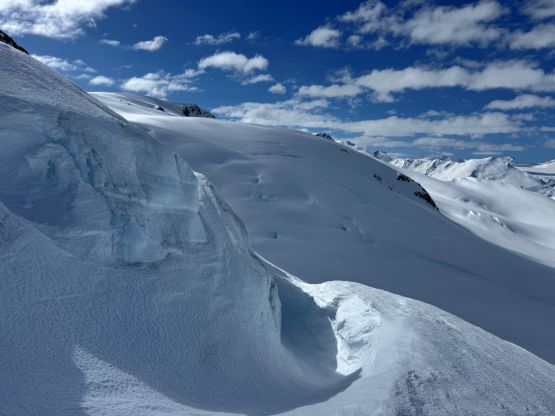
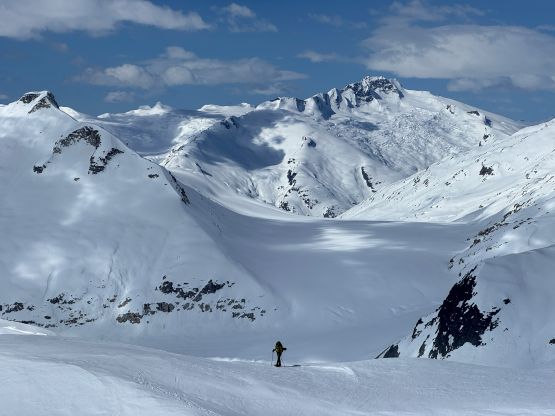
We dropped our packs in the middle of a flat area between Stanley Peak and the unnamed P100m objective to the west, and decided to go for Mt. Fulgora in the afternoon on day packs. I unfortunately didn’t have a daypack but the head of my overnight pack could somehow be used to carry several items. It would be too much of a risk to leave the crampons behind so that’s why I couldn’t simply throw the few items into Alex’s daypack like how I did on Mt. Tisiphone. The carrying wasn’t super comfortable but I managed to make do with the 240cm sling that I had brought. There was another 200 m elevation loss to descend onto the main tongue of Stanley Smith Glacier and this section had some open crevasses. The snow condition had transitioned to the drier and colder “interior zone” so we had to be extra careful about the route selection. However, it was hard to pick the best line while descending the convex roll so we again, more or less picked a route in the middle of the crevassed zone.
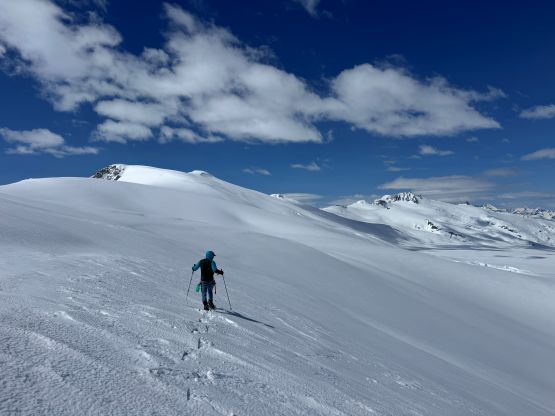
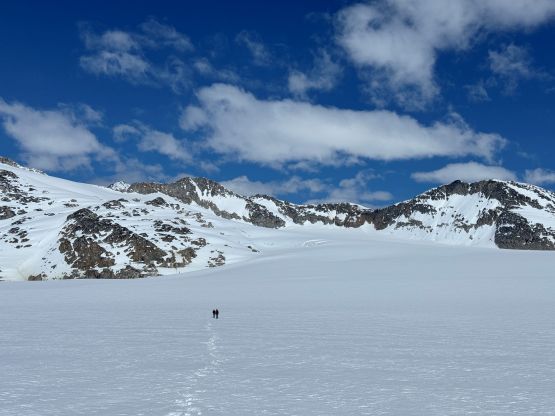
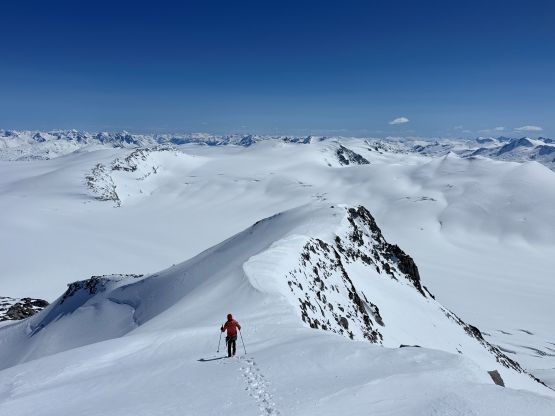
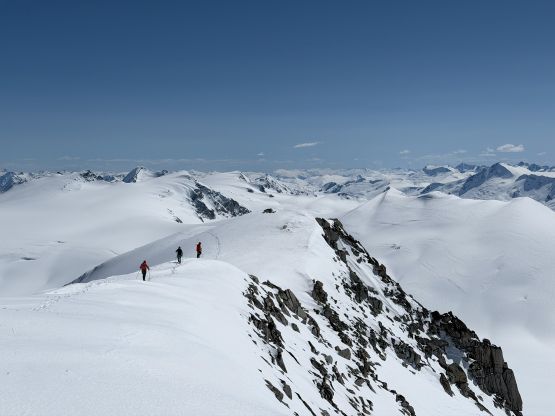
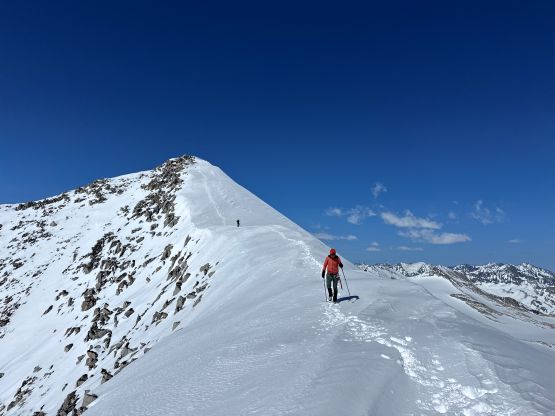
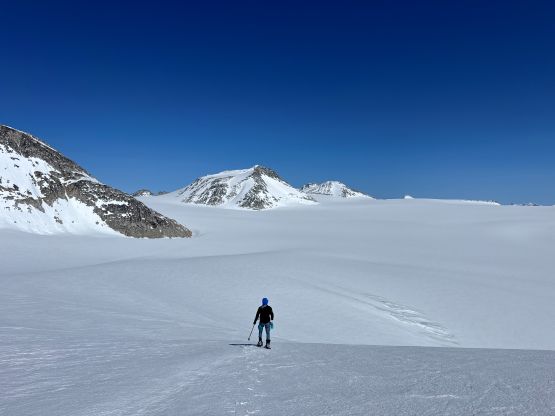
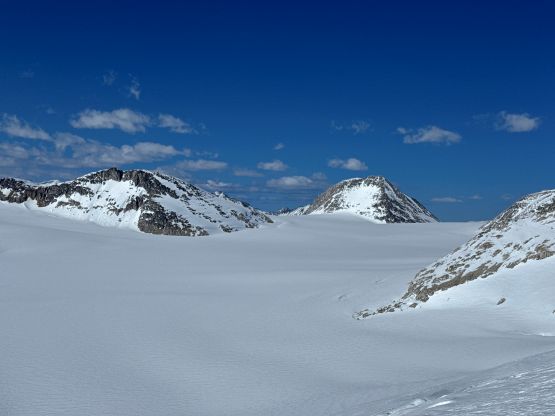
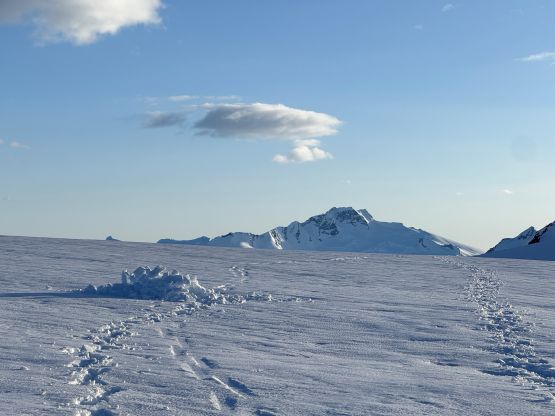
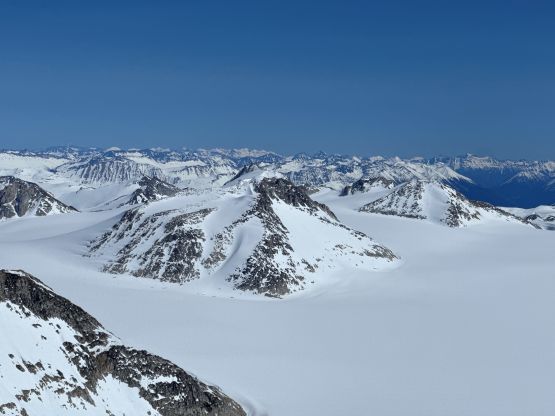
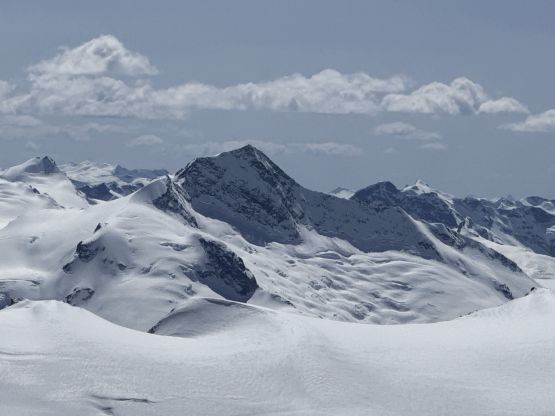
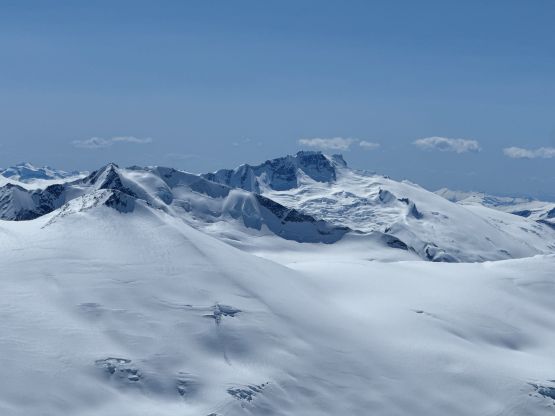
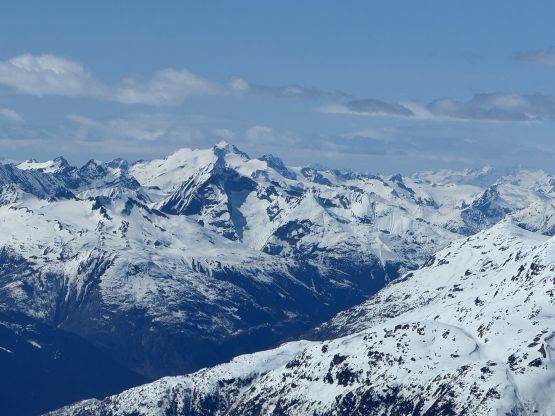
The few kilometers of plodding across Stanley Smith Glacier took a long time and was very tiring for the few of us on snowshoes. I also managed to discover a crevasse by putting a foot into it while ascending a thin and isothermal area on the far side. Francis then took over the lead as he’s on skis. We wrapped around the lower part of the east ridge of Mt. Fulgora and eventually ditched the skis and snowshoes at an obvious rocky platform roughly 350 vertical meters under the summit. The east ridge appeared steep but wasn’t too bad. Seb led the entire way boot-packing without crampons. The trail-breaking was mostly ankle deep and the final traverse across the SE Ridge was extremely scenic. For peak-baggers this summit offered unparalleled views of the South Coast ranges and we lingered up there for quite a long while. I also made the decision to skip any bonus P100m objective on this day so we might as well stay a bit longer to soak in the experience. Despite the sunny weather the temperatures felt cold as long as there’s some winds.
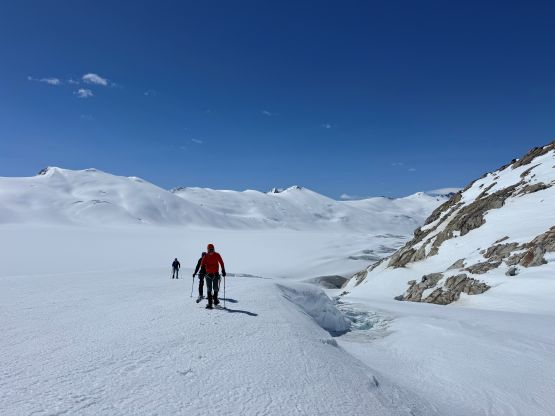
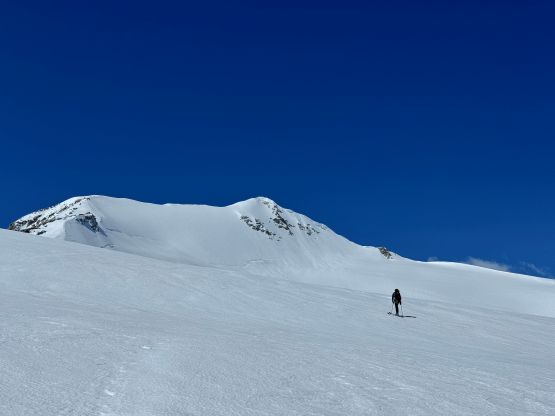
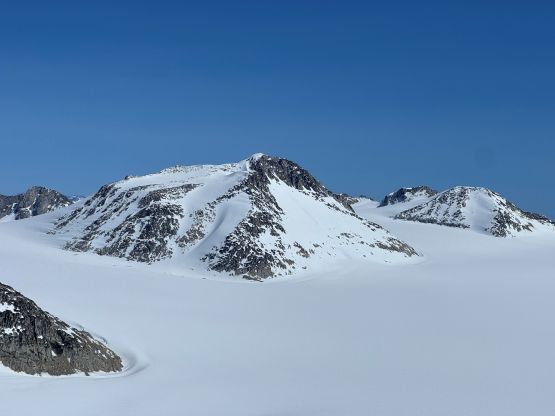
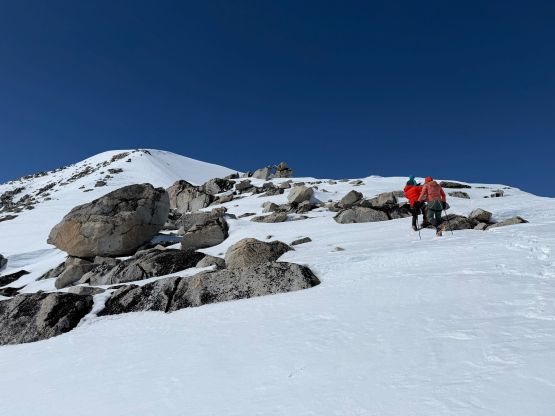
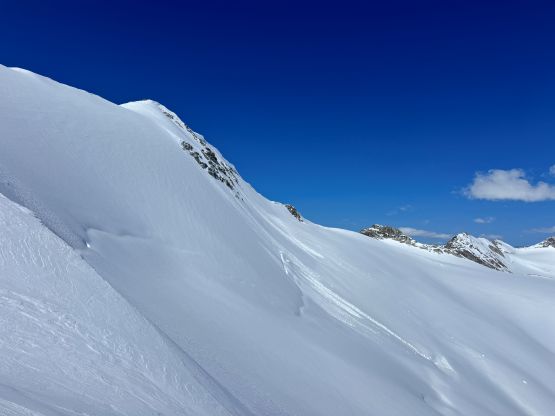
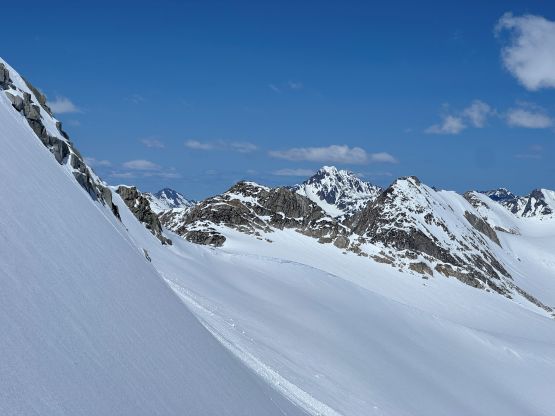
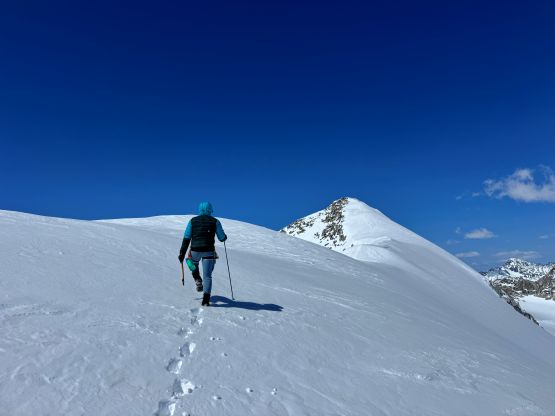
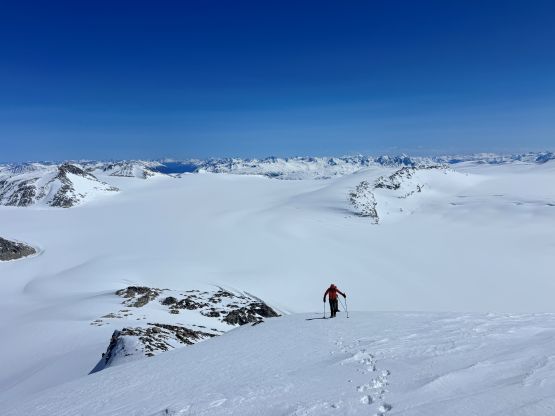
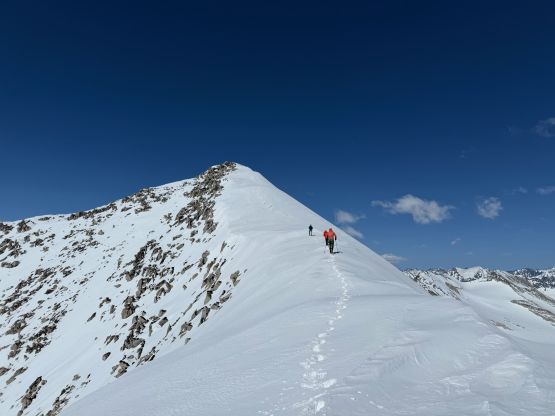
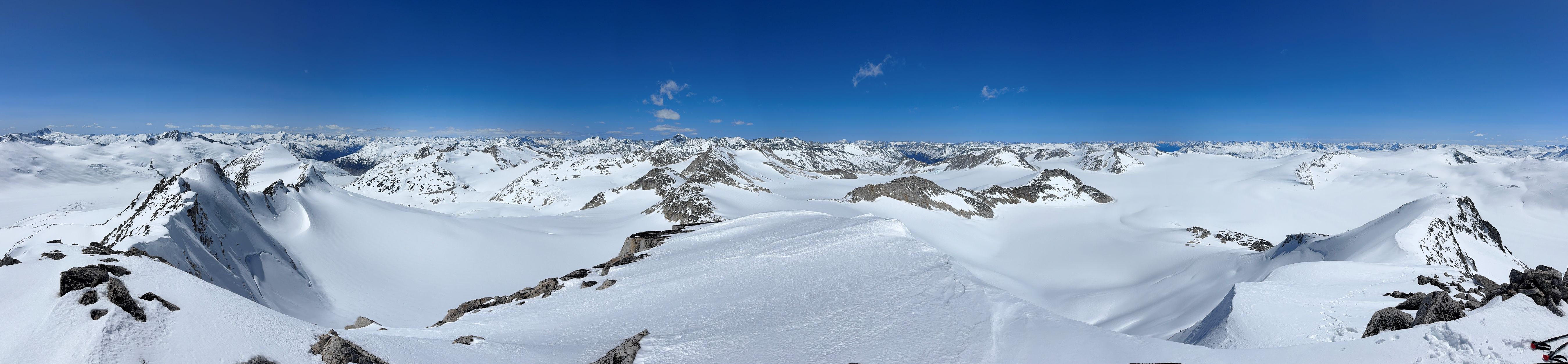
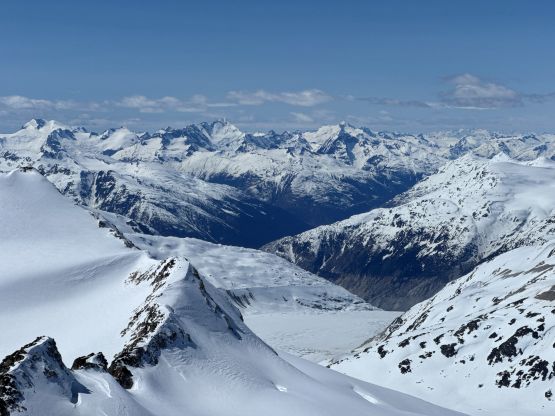
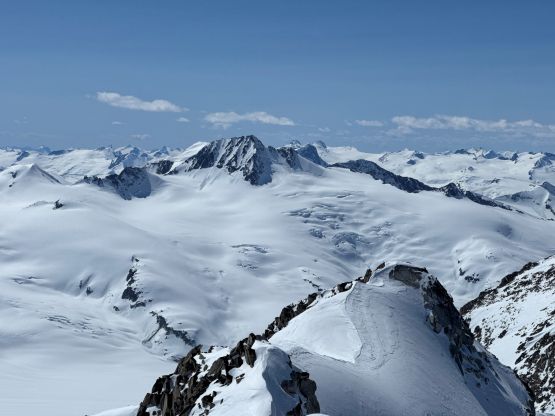
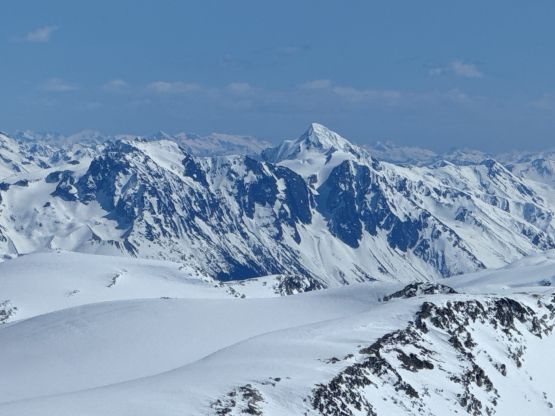
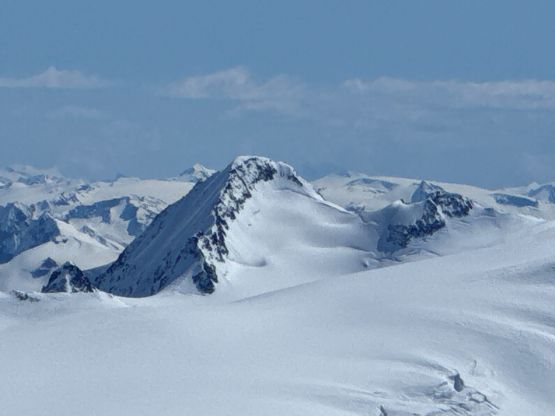
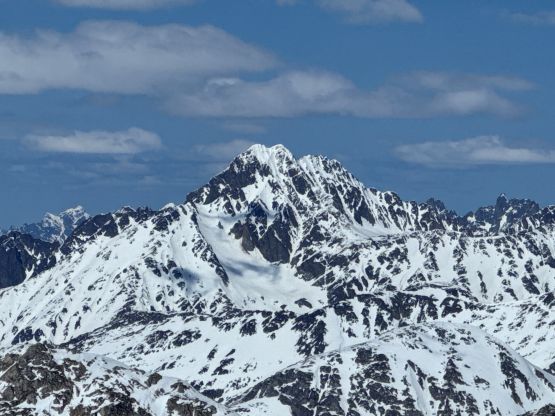
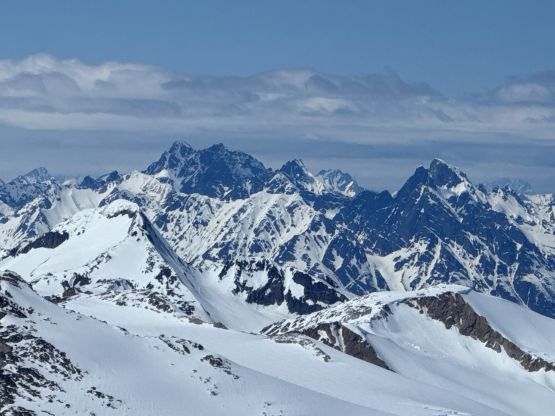
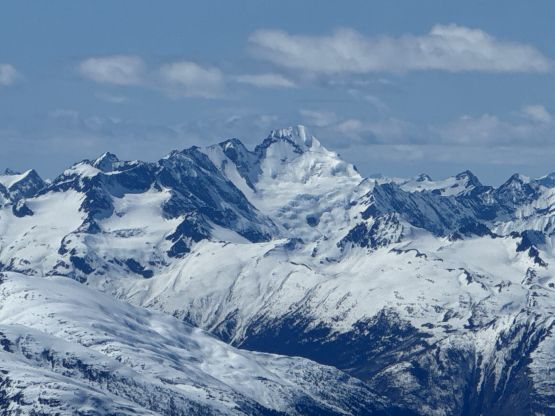
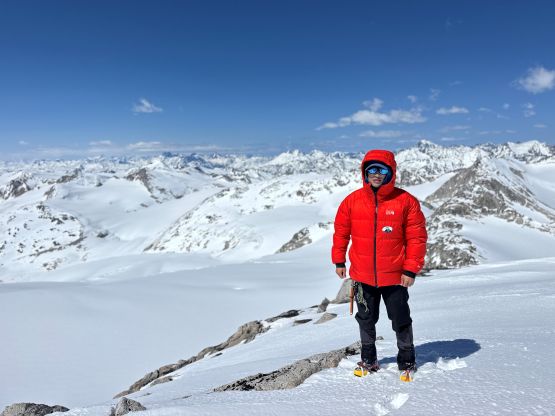
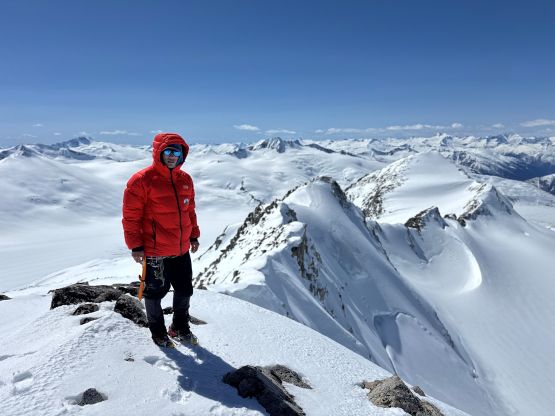
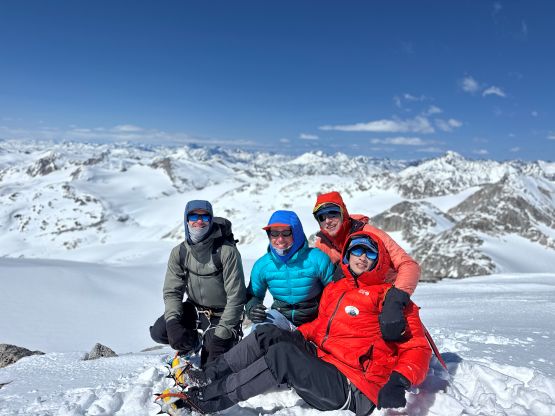
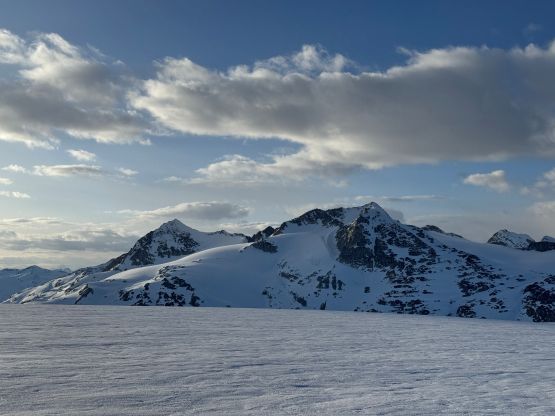
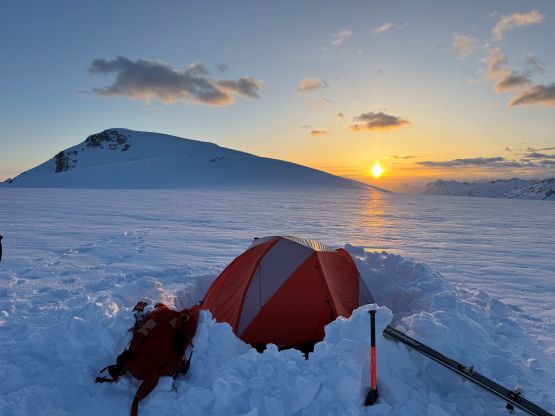
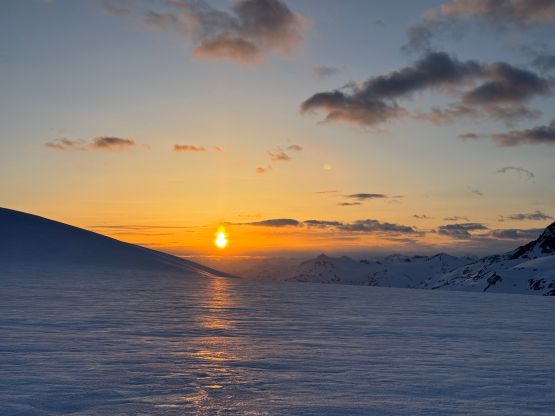
Eventually we all plunged down to the ditched gears. Francis had a blast skiing down to the low point on Stanley Smith Glacier and that resulted in another half an hour’s sun bathing. The re-ascent to the camping area was very tiring for all of us. We got back to the camp in mid-afternoon so there’s plenty of time to set up the tents, dry the gears and watch the sunset. This was the only evening that we opted to camp up high so the views were expansive. I also messaged a few friends for the weather updates as the long range forecast before we left home showed some uncertainties for the 4th day. I wasn’t concerning about climbing, but to fly such a long distance the weather would need to be bomber. I got a few replies and the forecast still seemed reasonable for the fly-out, so I ate the extra package of ramen. I had brought enough food for last 5 days in the case we had to hike out, but if the flying would most likely “go” then I might as well eat more food right now to prevent muscle loss. Overnight we got some snow showers but the morning was mostly clear, so we resumed the traverse on the 4th day with ascents of Stanley Peak and “Bridge Peak”. We honestly all had some concerns about the weather but it turned out to be alright.